Start here19 Oct 2026, 4 min read
How do you set your site name in Google Search?
To set your preferred site name in Google Search results, add WebSite structured data to your home page. The name must follow Google's content policies.
Read the guide
blog // 43 guides + field notes
Plain explanations of AEO, the Google and Bing scores, and the technical checks behind a dotmap audit, alongside field notes from auditing our own site. Each article opens with the answer, links to its primary sources and separates measured results from examples.
Start here19 Oct 2026, 4 min read
To set your preferred site name in Google Search results, add WebSite structured data to your home page. The name must follow Google's content policies.
Read the guide
guide // 18 Oct 2026, 5 min
Optimizing images helps search engines understand your content, improves page performance, and enhances user experience, leading to better discoverability.
guide // 18 Oct 2026, 6 min
Google automatically generates title links for search results using page content, HTML title elements, headings, and external references to the page.
guide // 17 Oct 2026, 5 min
For SEO, ensure paginated pages are discoverable and understood as part of a larger, ordered list. Use canonical URLs and structured data to provide context.
guide // 17 Oct 2026, 5 min
Lazy loading does not inherently hurt SEO. Correct implementation improves page performance, a key SEO factor. Misuse can negatively impact critical content.
guide // 16 Oct 2026, 5 min
To migrate a website without losing SEO, implement 301 redirects for old URLs, map them to new ones, and use Google Search Console's Change of Address tool.
guide // 16 Oct 2026, 5 min
HTTPS protects user data and enables modern browser features. Mixed content can weaken this protection, leading to browser warnings and blocks.
guide // 15 Oct 2026, 7 min
A robots.txt file tells search engine crawlers which URLs they can access on your site. Learn how to create one, its rules, and its limitations.
guide // 15 Oct 2026, 5 min
Meta robots tags and X-Robots-Tag headers control how search engines index pages, follow links, and display content in search results.
guide // 14 Oct 2026, 5 min
Breadcrumb structured data shows a page's position in your site's hierarchy. It helps users explore your site and Google categorize pages in search results.
guide // 14 Oct 2026, 5 min
Organization structured data helps search engines understand your company's details. Learn what properties to include and where to place it on your website.
guide // 13 Oct 2026, 6 min
Structured data is a standardized format that helps search engines understand page content and enables engaging rich results. It must be visible and accurate.
guide // 13 Oct 2026, 5 min
Article structured data helps search engines understand your content, improving how titles, images, and dates appear in search results.
guide // 12 Oct 2026, 5 min
Google-Extended is a user-agent token for Google's crawlers. Blocking it depends on your website's goals and how you want Google's services to use your content.
guide // 12 Oct 2026, 6 min
The `nosnippet`, `max-snippet`, and `data-nosnippet` manage how your content appears as snippets in Google Search. They limit text and video previews.
guide // 11 Oct 2026, 6 min
The "Discovered - currently not indexed" status in Google Search Console means Google found your page but hasn't processed it for indexing.
guide // 11 Oct 2026, 5 min
IndexNow is a protocol that allows websites to instantly notify search engines about content changes, speeding up discovery. Learn which engines support it.
guide // 10 Oct 2026, 7 min
Mobile-first indexing means Google primarily uses your site's mobile content for ranking. Ensure your mobile version is complete, accessible, and optimized.
guide // 10 Oct 2026, 6 min
The "Crawled - currently not indexed" status in Google Search Console means Google found and processed your page but chose not to add it to its index.
guide // 9 Oct 2026, 5 min
Duplicate content is not a Google spam policy violation, but it can waste crawling resources and confuse users. Learn how to manage it effectively.
guide // 9 Oct 2026, 4 min
Hreflang tells search engines about localized versions of your pages. Learn how to implement it correctly, including the essential return-link rule.
guide // 8 Oct 2026, 5 min
Alt text provides a text alternative for images, making web content accessible to users with disabilities and helping search engines understand image context.
guide // 8 Oct 2026, 5 min
Structuring headings with a clear hierarchy and descriptive text helps both search engines understand your content and improve search result presentation.
guide // 7 Oct 2026, 5 min
Crawl budget refers to how much a search engine crawls your site. Learn who needs to manage it and how robots.txt and sitemaps help guide crawlers efficiently.
guide // 7 Oct 2026, 4 min
Internal links help search engines discover pages, understand content relevance, and improve user navigation. Optimize your site's internal linking structure.
guide // 6 Oct 2026, 6 min
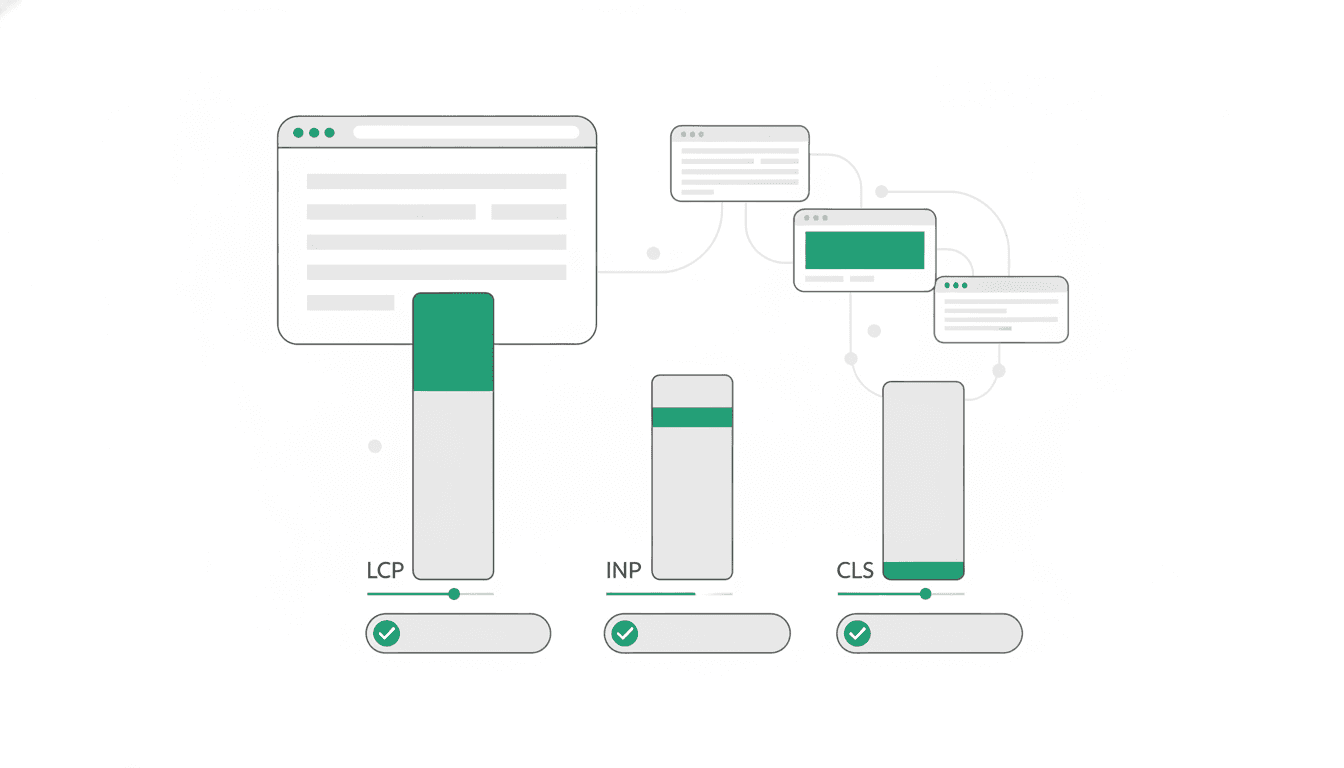
Core Web Vitals are Google's three user-experience metrics: LCP for loading, INP for responsiveness and CLS for visual stability. See what each one measures.
guide // 6 Oct 2026, 5 min
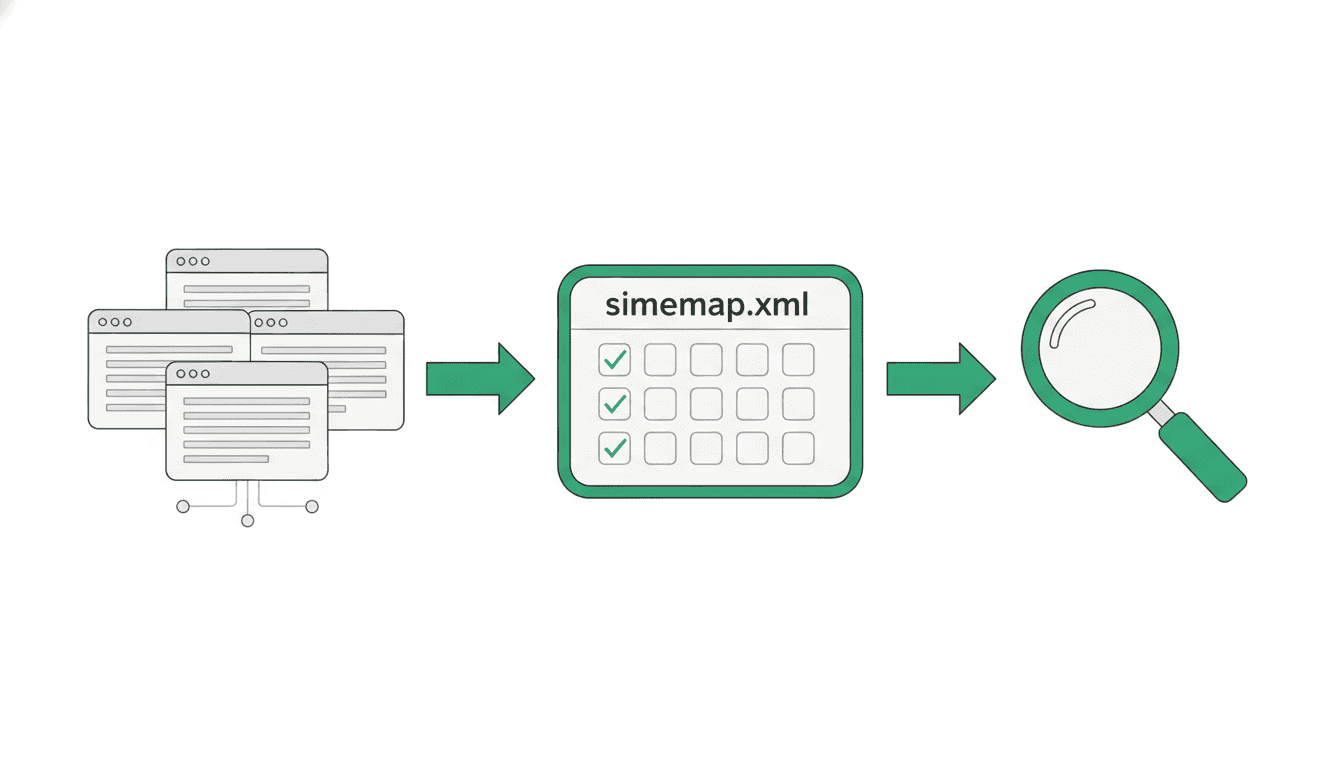
An XML sitemap is a file that helps search engines discover your site's important pages and files. Learn when your site needs one and how to use it.
guide // 6 Oct 2026, 6 min
Choose a 301 or 308 redirect for permanent moves to pass SEO value. Use a 302 or 307 redirect for temporary changes without transferring SEO.
guide // 5 Oct 2026, 5 min
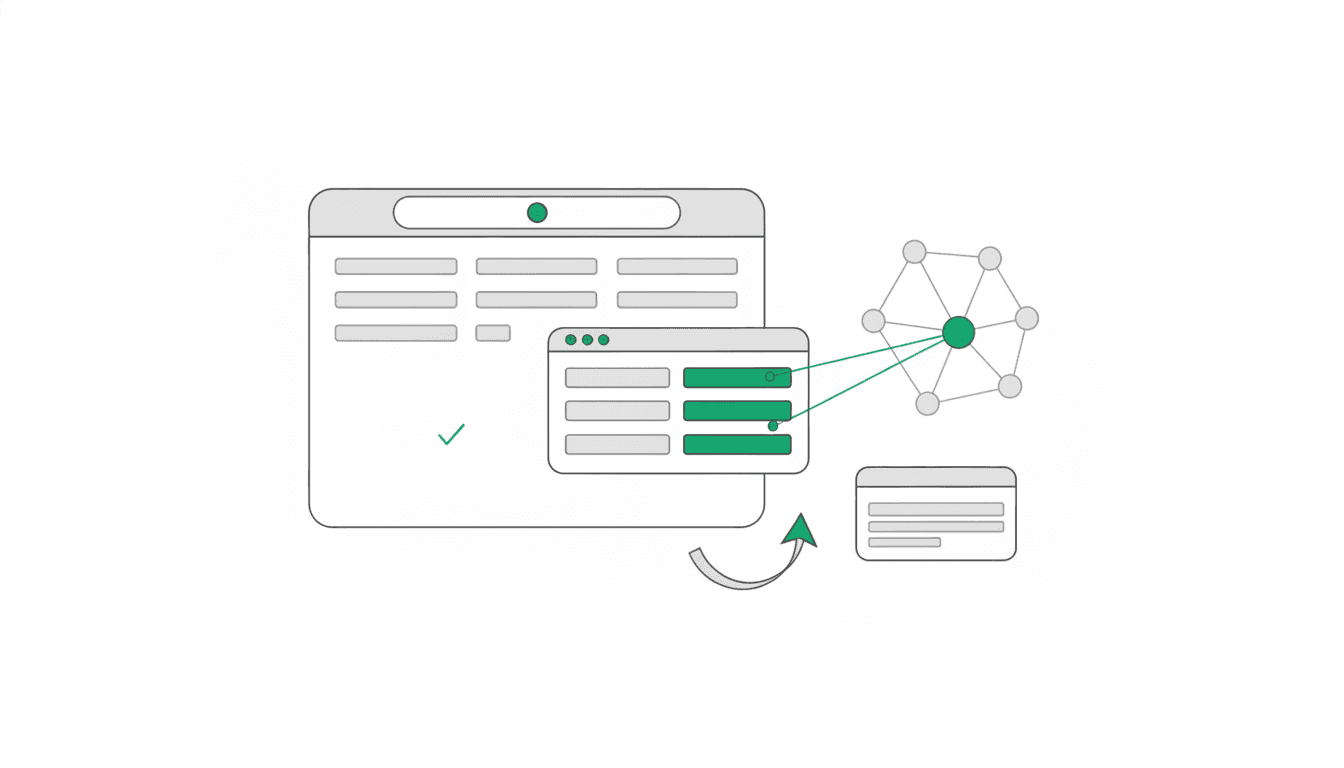
AEO is content optimization for AI answer engines: writing pages they can find, read and quote. How it differs from SEO, and what Google and OpenAI require.
guide // 5 Oct 2026, 6 min
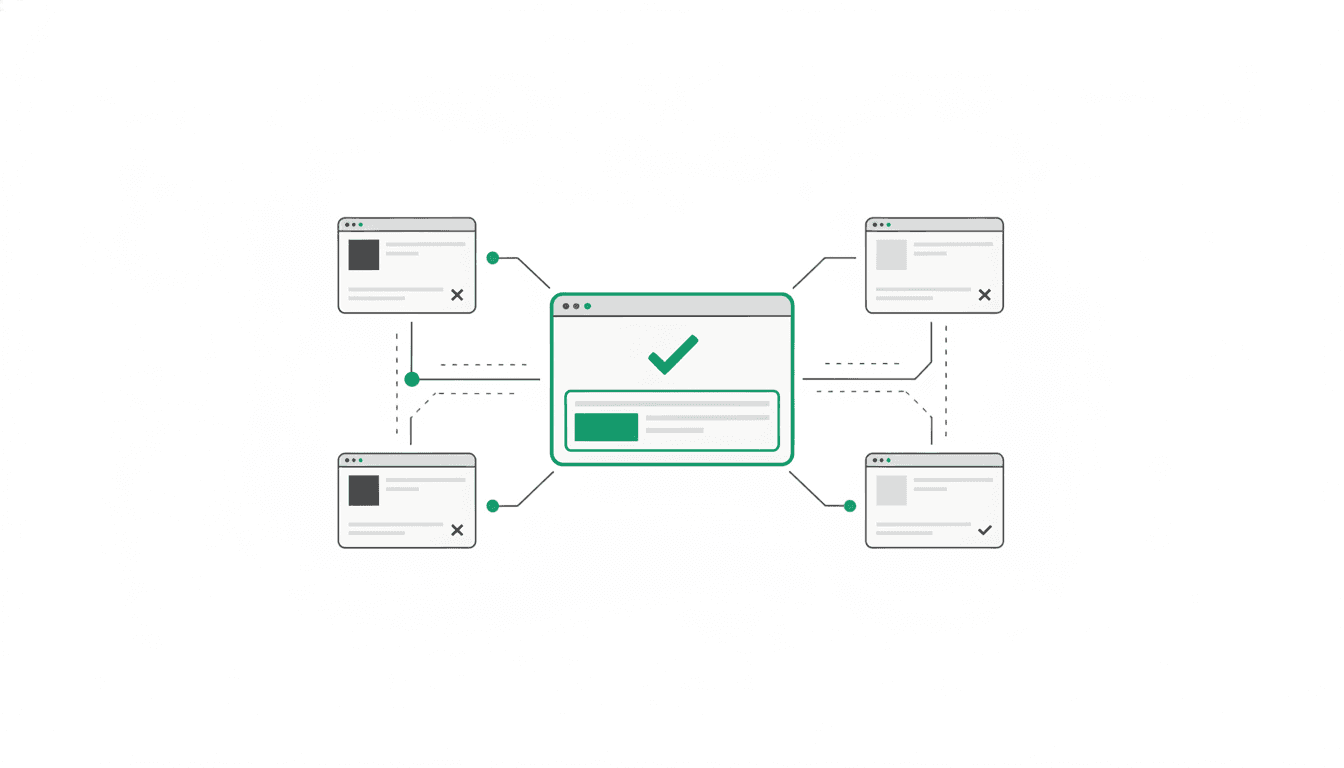
What GPTBot, OAI-SearchBot, ChatGPT-User, PerplexityBot, ClaudeBot and Google-Extended each do, which obey robots.txt, and which to allow if you want citations.
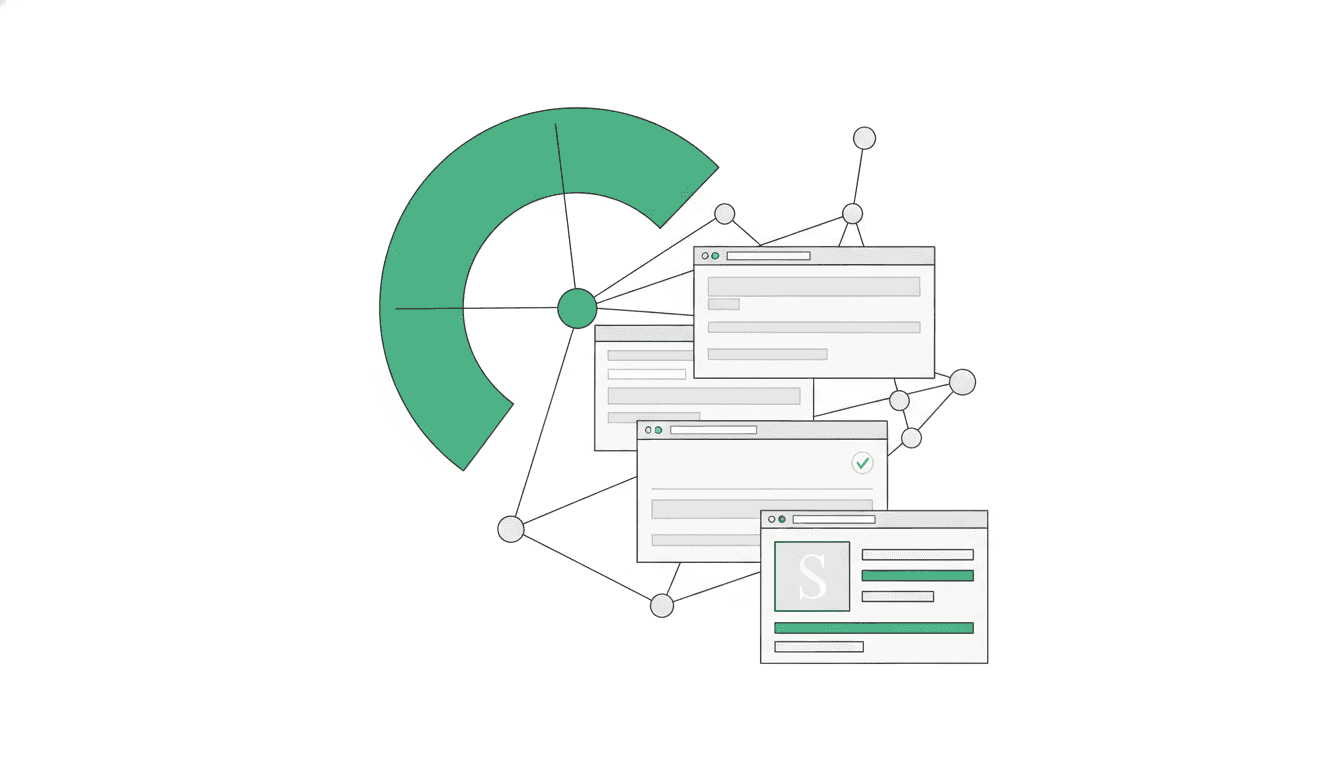
guide // 5 Oct 2026, 5 min
llms.txt is a proposed Markdown file that summarises a site for AI agents. What goes in it, how it differs from robots.txt and sitemaps, and what Google says.
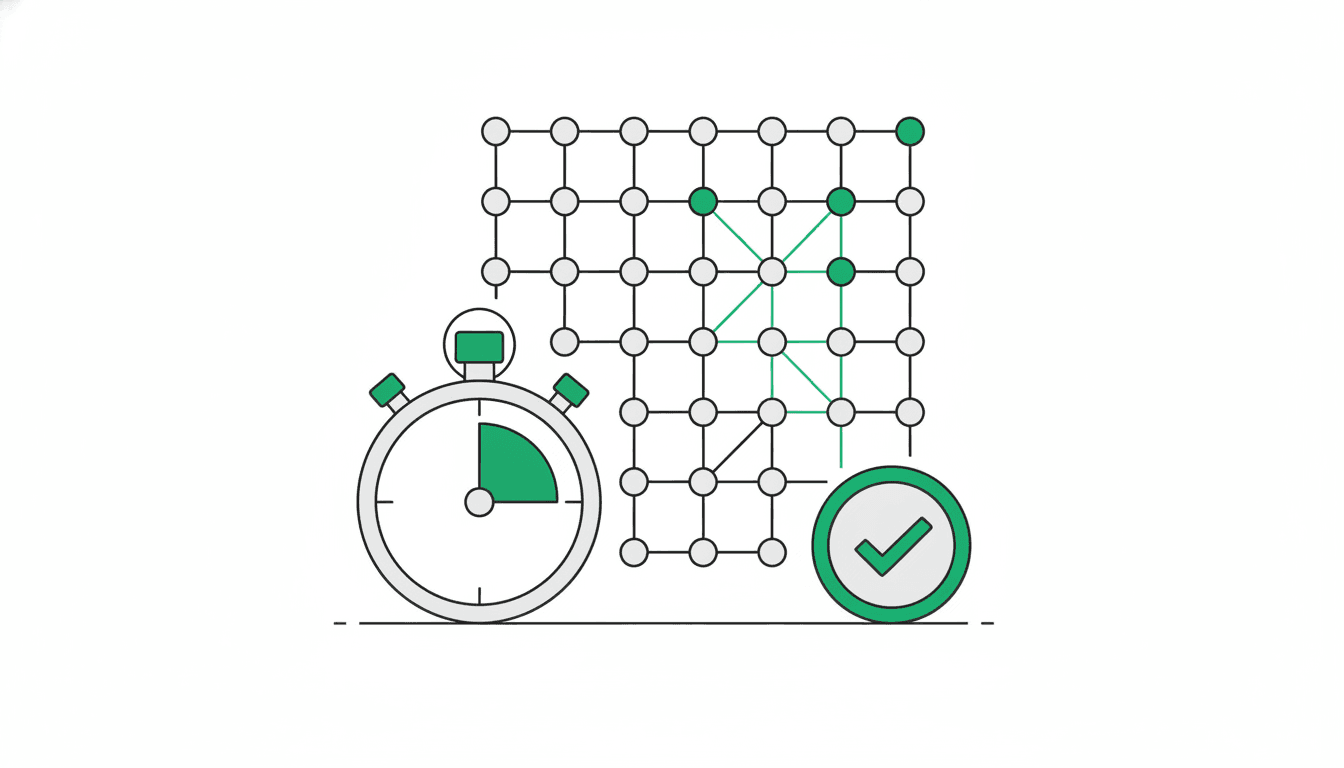
checklist // 5 Oct 2026, 6 min
A practical AEO audit checklist: confirm AI crawlers can reach a page, that it is indexed and snippet-eligible, and that it has a passage worth quoting.
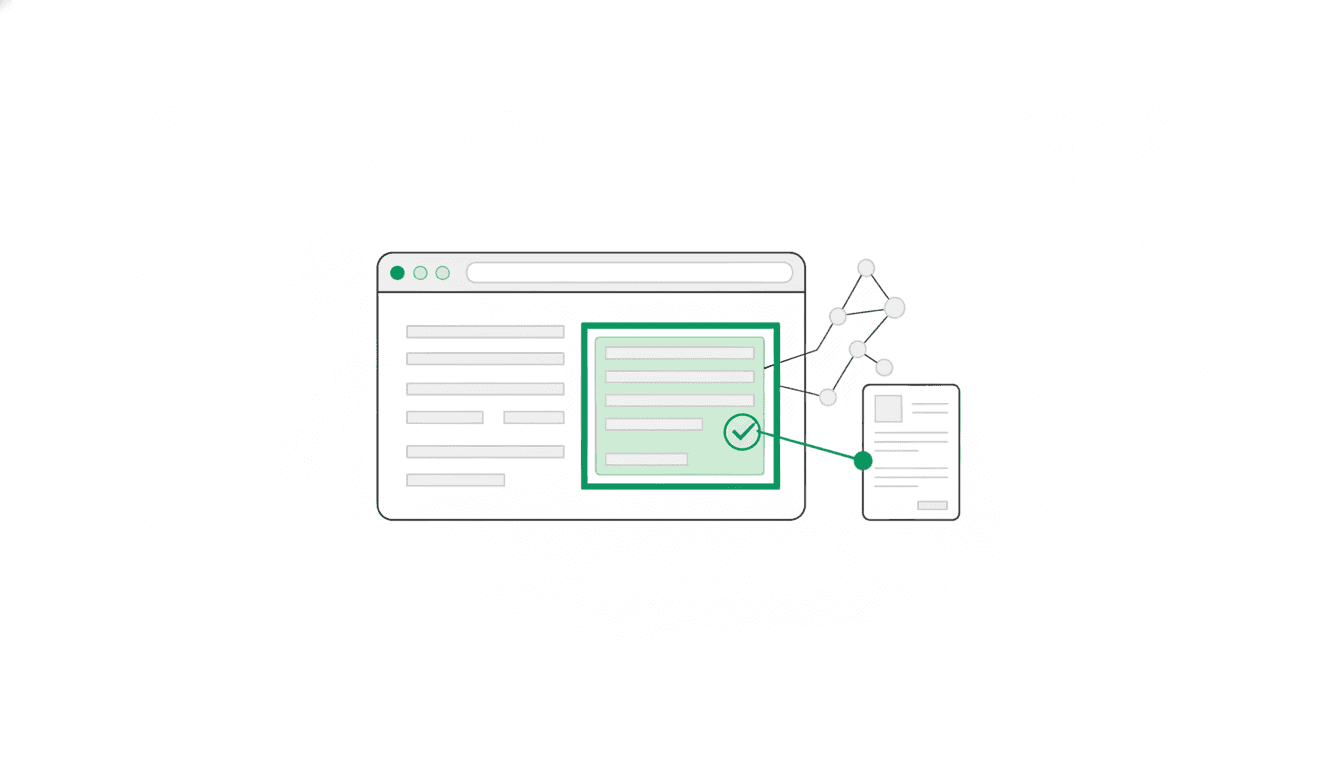
guide // 5 Oct 2026, 5 min
A working method for answer-first writing: where the answer goes, how long it should be, and before-and-after examples you can copy.
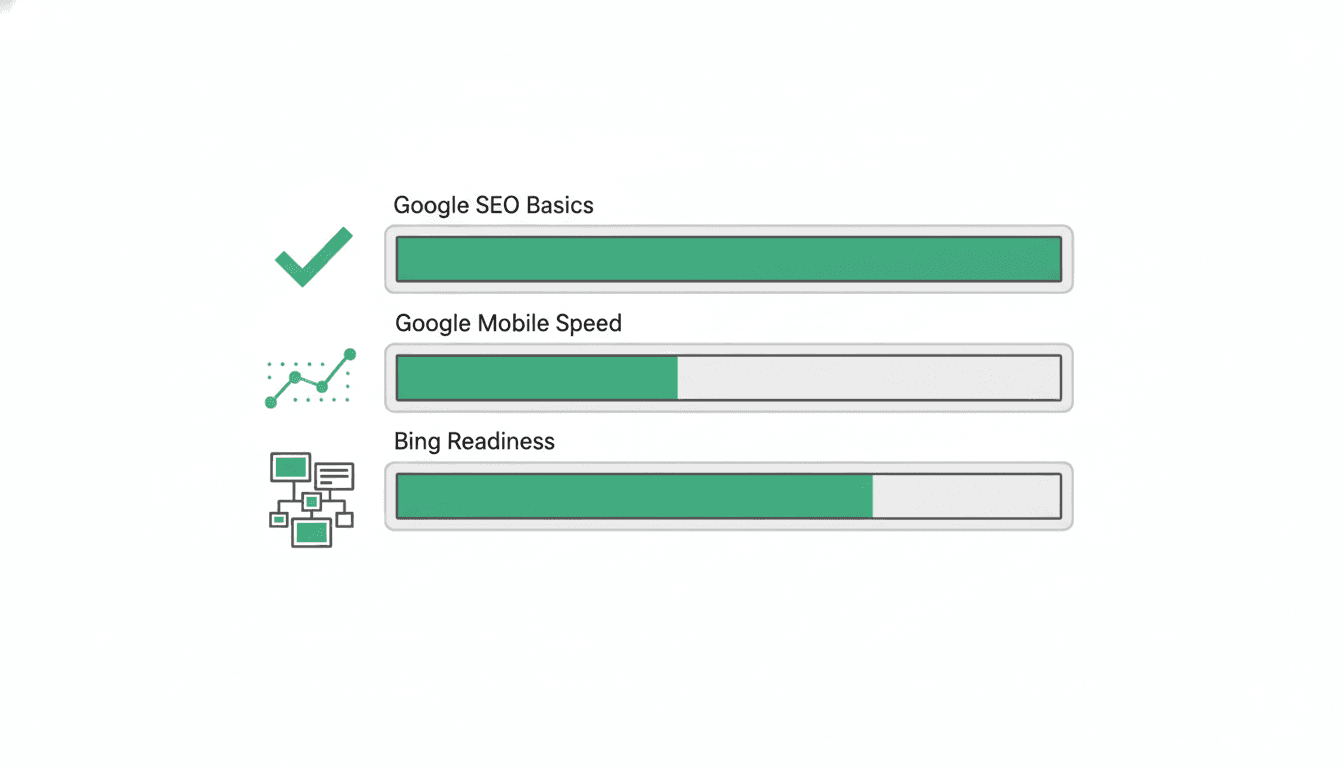
explainer // 5 Oct 2026, 5 min
What the Lighthouse SEO category checks, why a perfect score does not mean you rank, and how it compares with a site-wide audit.
checklist // 5 Oct 2026, 5 min
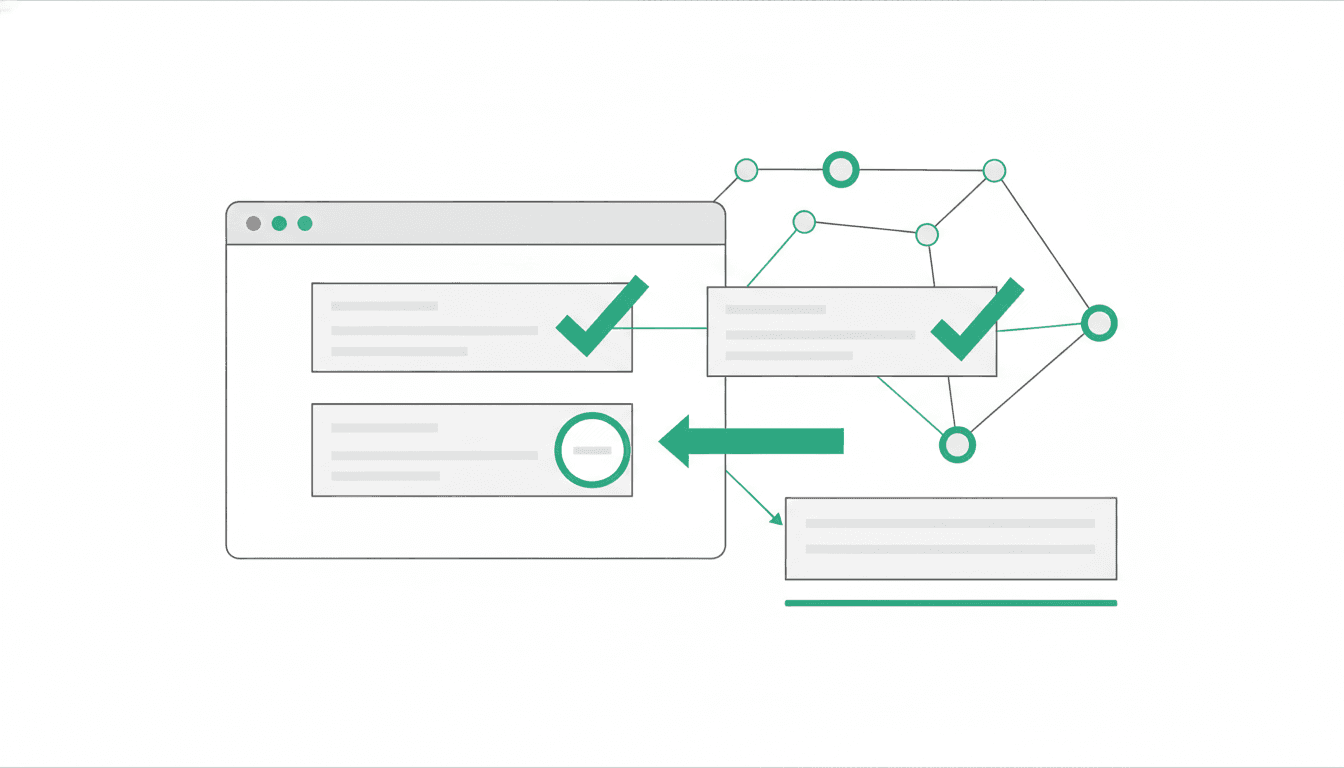
Bing publishes guidelines but no score. Here is a practical checklist for being found and indexed by Bing, including verification, sitemaps and IndexNow.
guide // 5 Oct 2026, 5 min
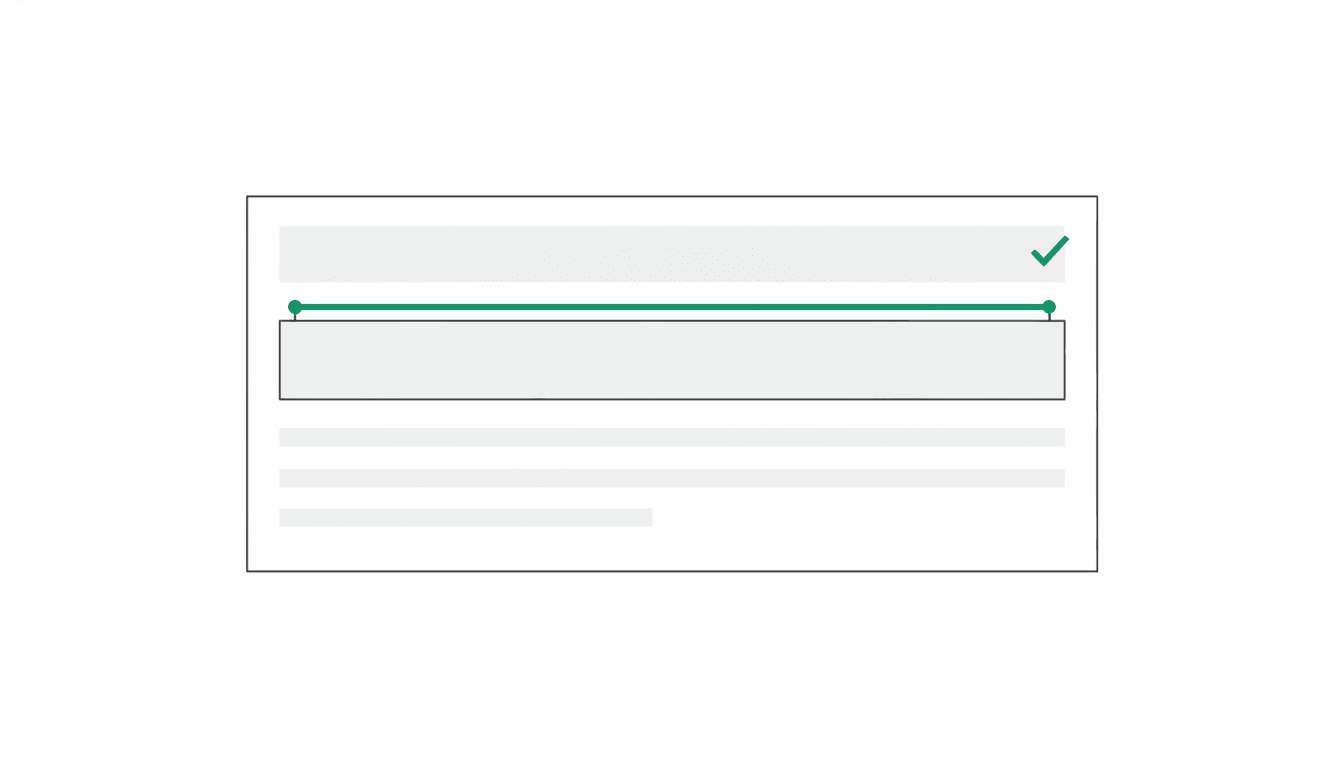
How long a title tag and meta description should be, why search engines rewrite them, and examples of weak and strong versions.
checklist // 5 Oct 2026, 7 min
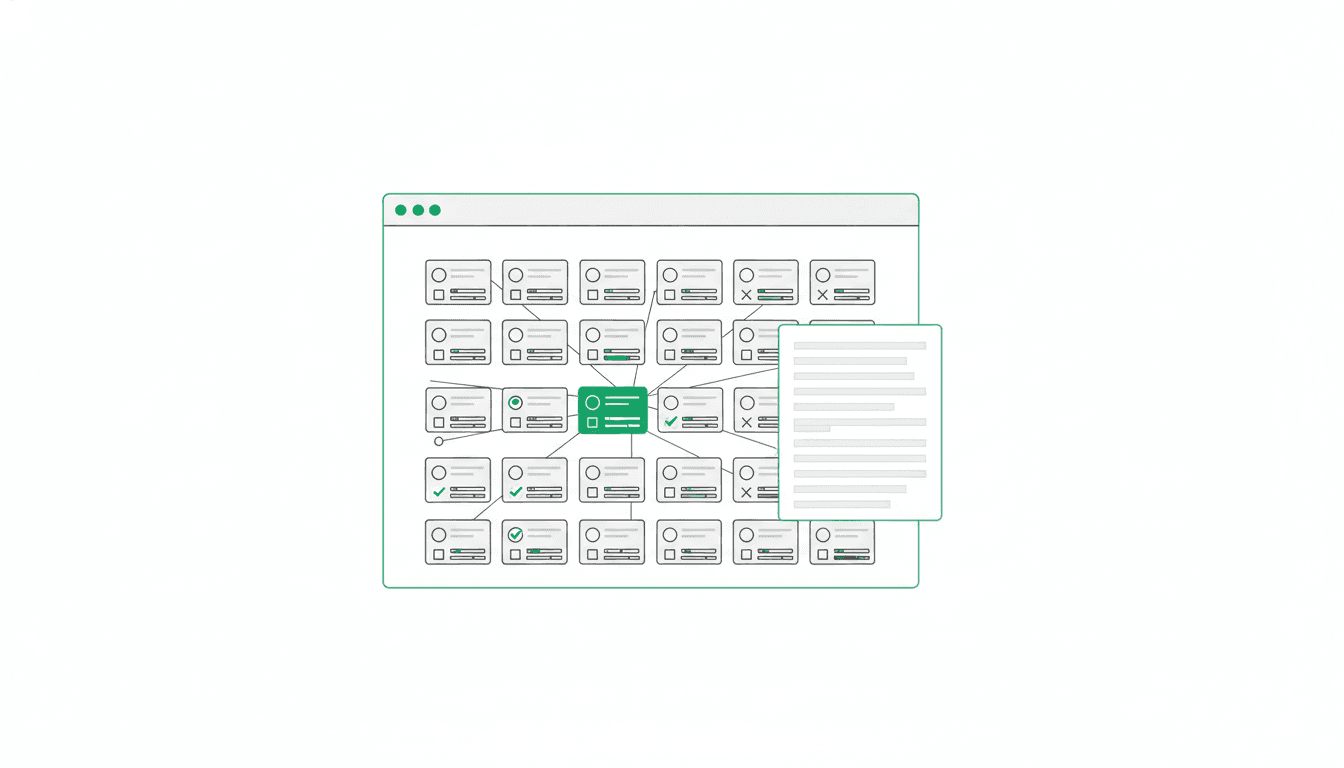
The full list of technical SEO checks in a dotmap audit, what each one means, how serious it is and how to fix it.
guide // 5 Oct 2026, 5 min
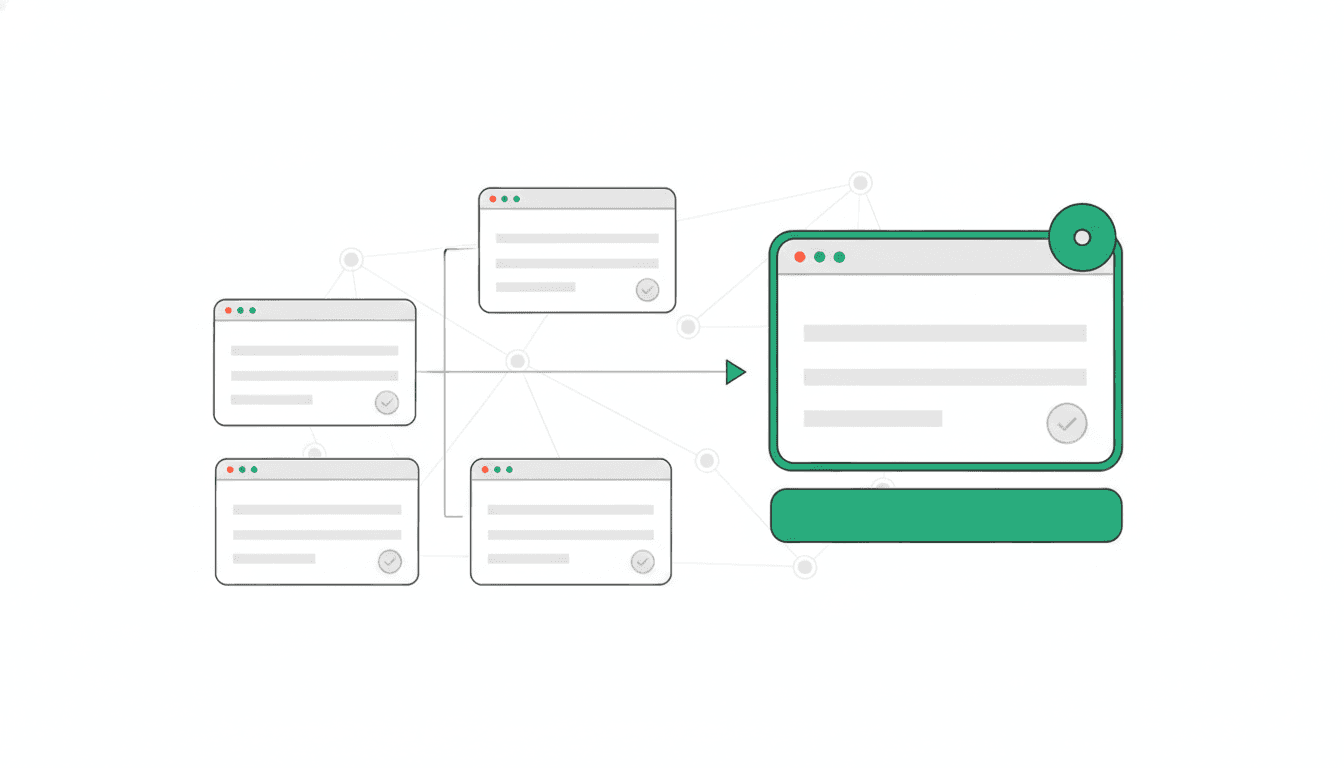
A canonical tag tells search engines which URL is the preferred version of a page. Learn what it does, when to use one, and the rules for writing it.
guide // 5 Oct 2026, 4 min
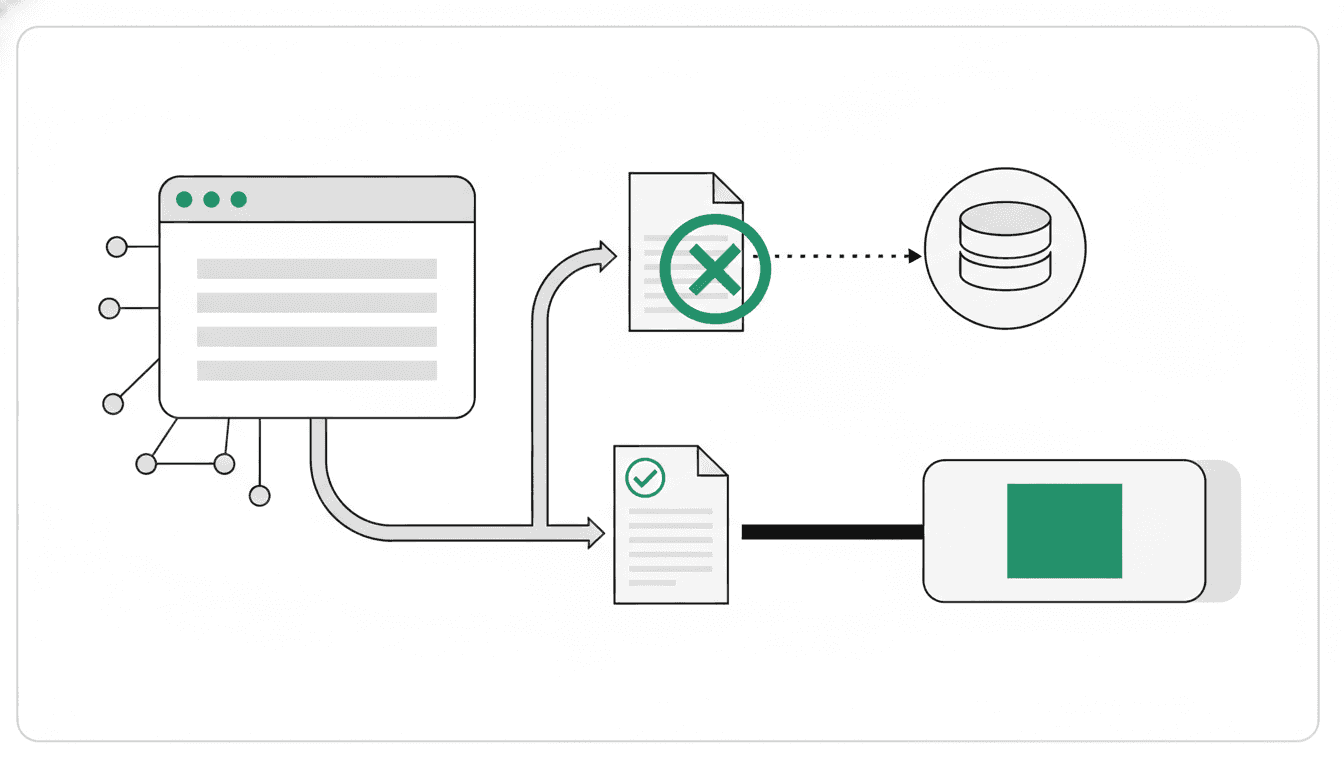
Noindex prevents pages from appearing in search results, while robots.txt disallow prevents crawlers from accessing pages. Learn when to use each.
case study // 27 Sep 2026, 5 min
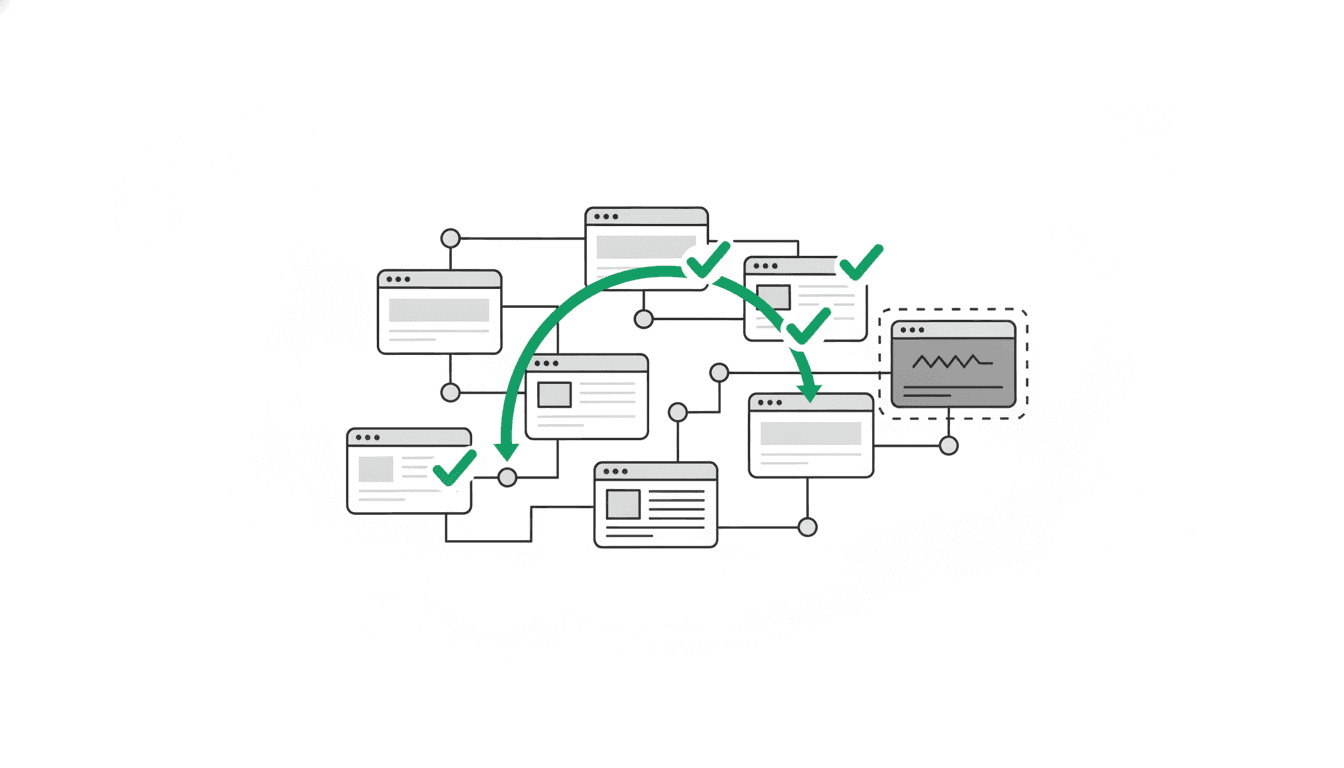
A transparent before-and-after audit of dotmap.ai: what we changed, which pages improved, what the 80/100 score means and why we have not claimed 100.
field guide // 27 Sep 2026, 5 min
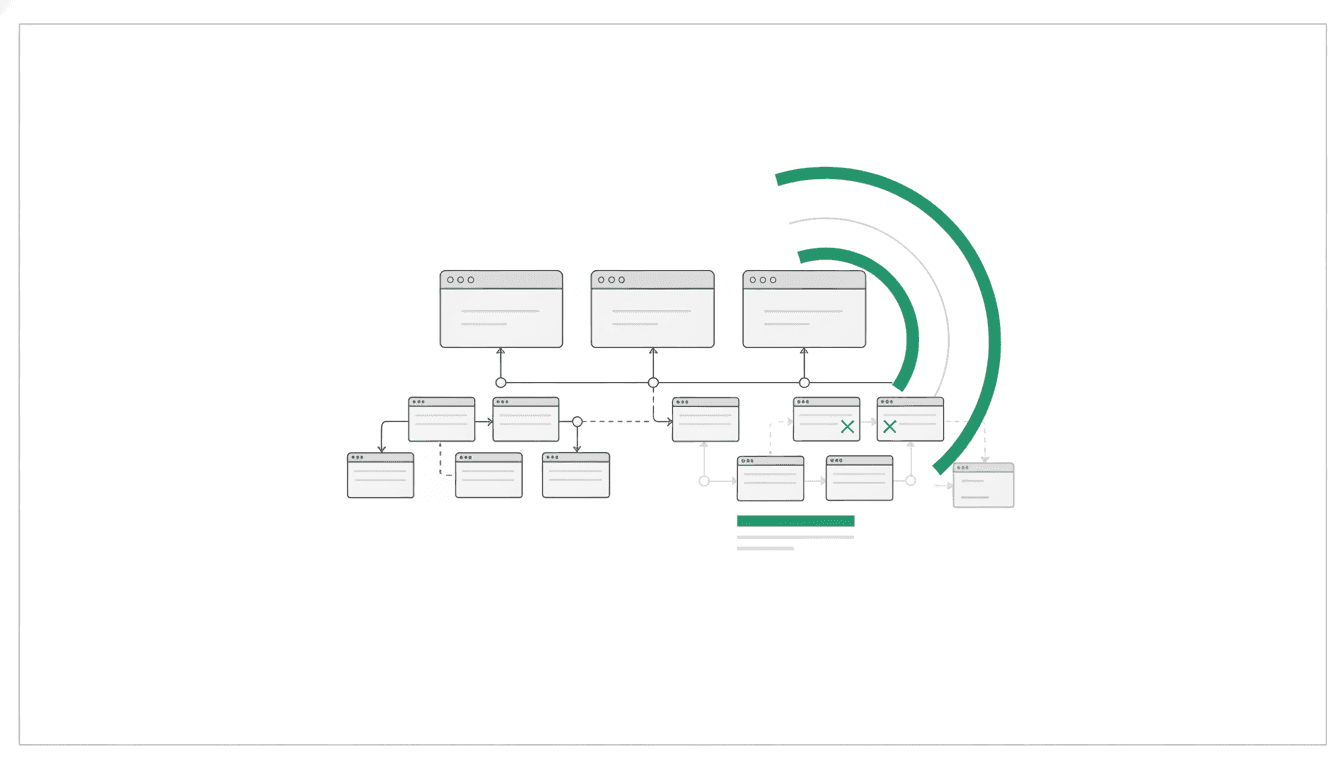
A practical workflow for detecting broken pages, lost citations and content regressions before a routine site change becomes a search-traffic problem.
research note // 27 Sep 2026, 6 min
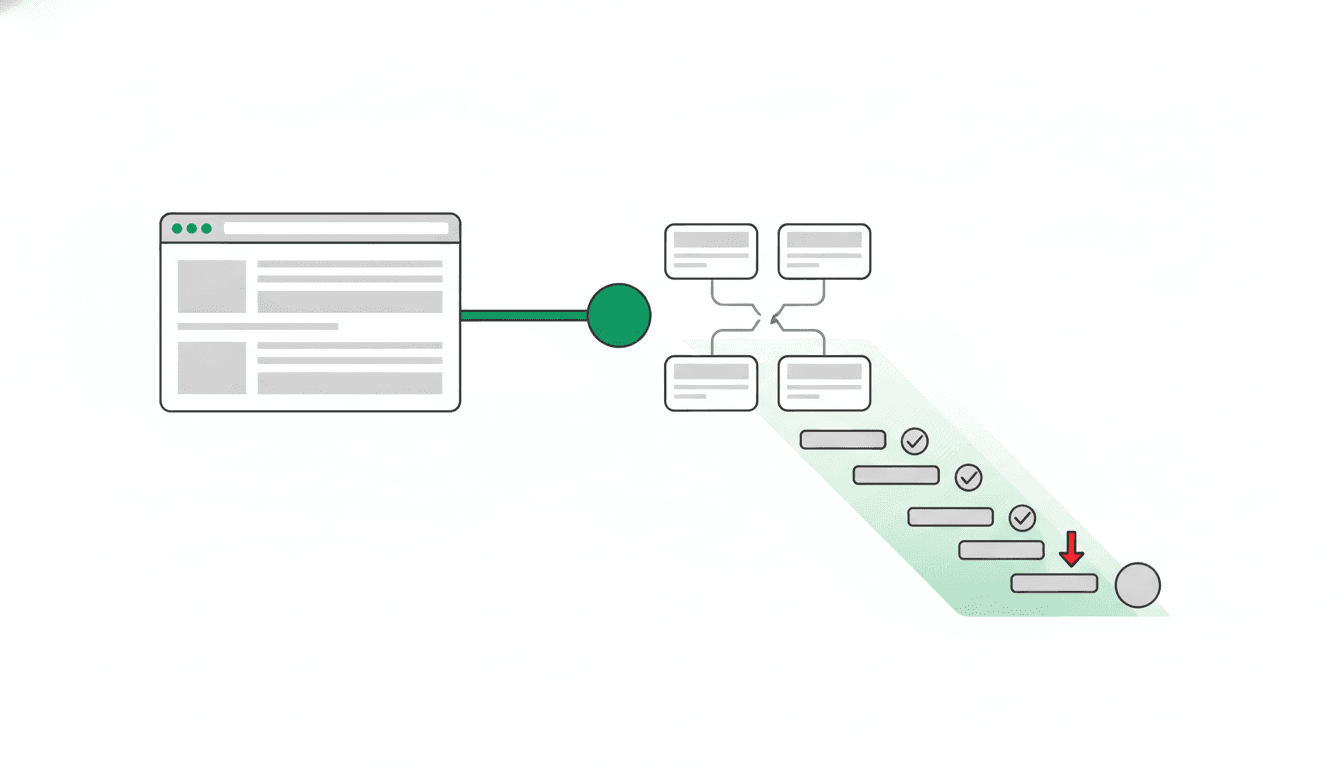
A measured way to connect SEO regressions to potential revenue exposure without claiming that every rank or traffic change directly caused lost sales.
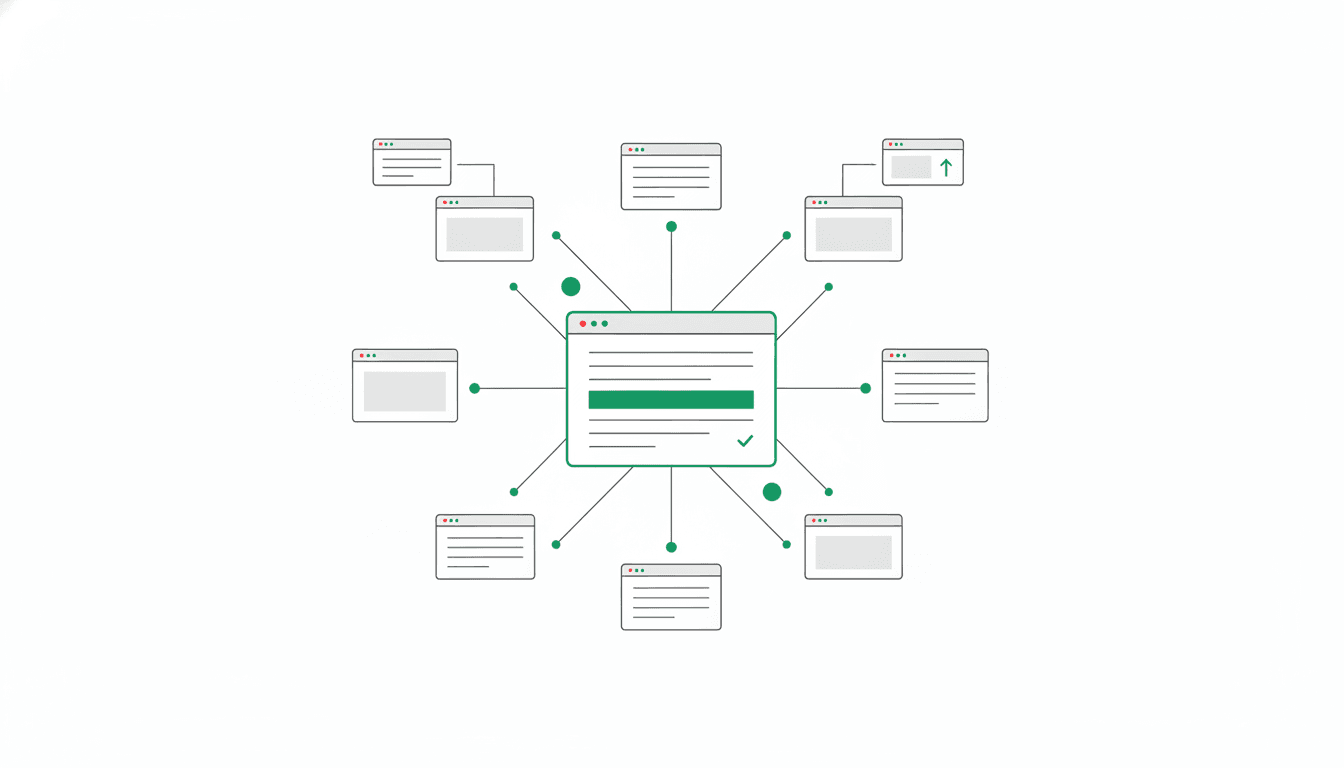
experiment design // 27 Sep 2026, 6 min
A research-backed $100 sponsored-news experiment: what Google and OpenAI actually say about discovery, disclosure, indexing and measuring AI visibility.
method // estimates, labelled
dotmap reports technical checks and Jev estimates for the pages it can fetch. They are not measurements of rankings, citations or revenue. Where a guide discusses outcomes, it points to the systems that can measure them: Google Search Console for search performance and analytics or a CRM for on-site conversions.
Our own site is part of the experiment. We audit it, publish improvements, then run the same grader again. That makes the work visible and gives us a way to catch regressions as the site changes. It is not a claim that one score guarantees search reach.
Run your own audit